Common problems when booking waste removal in Finsbury Park
Posted on 07/10/2026
If you have ever tried to clear a flat, a house, or even just one awkward pile of stuff in Finsbury Park, you will know the process can look simple right up until you actually book it. That is where the common problems when booking waste removal in Finsbury Park tend to appear: unclear pricing, poor access, missed time slots, the wrong type of service, or a crew that is not quite prepared for London parking and loading realities. Truth be told, most headaches are avoidable once you know what to look for.
This guide breaks down what usually goes wrong, why it matters, and how to book with a bit more confidence. You will also find a practical step-by-step approach, a checklist, a comparison table, and a few real-world tips that are useful whether you are clearing a single bulky item or a full property. And yes, a little local know-how goes a long way.

Why Common problems when booking waste removal in Finsbury Park Matters
Waste removal sounds like a straightforward job, but booking it is often where things unravel. In a busy area like Finsbury Park, small details matter more than people expect. A van may need space that simply is not there. A collection window may be too tight. A quote might exclude labour, stairs, loading time, or certain waste types. One missed detail can turn a tidy, quick booking into an irritating mess.
Why does this matter so much? Because waste removal is rarely just about taking items away. It is about timing, access, responsibility, safety, and cost control. If you are moving out, renovating, clearing a landlord property, or sorting a garden after a long weekend of "I'll deal with it later," the booking itself becomes part of the job. Get it right, and the whole thing feels almost boring. Get it wrong, and suddenly you are juggling callers, unexpected fees, and a pile still sitting in the hallway.
There is also a trust element. Waste collection involves entering a home or business, handling personal items, and transporting material responsibly. So when booking goes poorly, people do not just lose time; they lose confidence. That is usually the bit that stings most.
How Common problems when booking waste removal in Finsbury Park Works
Most waste removal bookings follow a simple pattern: you describe what needs removing, the provider estimates the load or visits to assess it, a price is agreed, and the collection is scheduled. Sounds simple. In practice, the friction comes from the details around that process.
Typical booking issues start with the initial description. Many people underestimate volume, forget awkward items, or leave out access constraints such as a narrow stairwell, no lift, or controlled parking. Others assume "rubbish removal" covers everything, when in reality some items may need separate handling or can affect the price. Then there is the timing side: same-day requests, school-run traffic, permit loading zones, and one-way streets can all influence whether a booking feels smooth or chaotic.
In a place like Finsbury Park, local conditions shape the experience. Busy roads, flats above shops, shared entrances, and limited kerb space can all turn a simple collection into a small logistical puzzle. Not impossible. Just something to plan for.
If you are comparing providers, it can help to look at the broader service offering rather than one headline price. A clear overview such as the services overview and the more specific waste removal options in Finsbury Park can make it easier to match the job to the right type of collection.
Key Benefits and Practical Advantages
When the booking is handled properly, the benefits are immediate. You save time, reduce stress, and avoid the common back-and-forth that usually comes with rushed arrangements. More importantly, you are much less likely to end up paying for avoidable extras.
- Clearer pricing: A well-described job is less likely to trigger surprise charges on the day.
- Better timing: The right slot means fewer missed collections and less waiting around by the window.
- Safer handling: Heavy furniture, white goods, or mixed waste are handled with the right equipment and approach.
- Less disruption: This matters in flats, shared houses, and busy streets where access can be tight.
- Faster resolution: The right provider can usually complete the job without repeated visits or messy delays.
There is also a quieter benefit: peace of mind. It sounds a bit soft, but it matters. When you know the collection is booked properly, the floor is clear, the hallway is safe, and nobody is going to start arguing over what was or was not included, the whole day just feels easier.
Who This Is For and When It Makes Sense
This topic matters to a wide mix of people in Finsbury Park. Homeowners, renters, landlords, letting agents, shop managers, office admins, tradespeople, and anyone dealing with bulky or mixed waste all run into the same core problem: how to book removal without the usual confusion.
It makes sense when you are:
- moving out and need a final clear-out
- emptying a spare room, loft, or storage space
- disposing of old furniture or broken appliances
- clearing builders' waste after a small refurb
- sorting garden waste after a seasonal tidy-up
- handling a probate or deceased-estate clearance carefully
- preparing an office or rental property for handover
It also matters if you are under time pressure. Let's face it, most people do not plan rubbish removal weeks in advance unless they have to. Sometimes the sofa is already halfway out the door, or a builder has finished early, or the landlord wants the place checked by Friday afternoon. In those moments, a bad booking can be the difference between calm progress and a fairly silly afternoon.
For bigger clearances, it may be helpful to compare specialist pages like house clearance in Finsbury Park, furniture disposal, or builders' waste disposal so you are not booking a general service for a specialist job.
Step-by-Step Guidance
If you want to avoid the common mistakes, use a simple booking process. Nothing fancy. Just structured enough to catch the usual problems before they catch you.
1. Make a proper list of what needs removing
Start by writing down the items, not just "mixed rubbish." Be specific. A mattress, two chairs, a broken wardrobe, four bags of DIY waste, and a microwave tell a provider far more than a vague description. Include anything awkward, heavy, or potentially restricted.
2. Check access before you request a quote
Access is one of the most common causes of friction. Note whether there are stairs, lifts, gated entries, narrow hallways, low ceilings, or parking restrictions. In Finsbury Park, even a short loading delay can throw off a tight schedule. That is just the reality of the area.
3. Ask what is included in the price
Before confirming, ask whether the price includes labour, loading, disposal, congestion-related delays, and extra items. A transparent quote should be clear enough that you do not need to decode it like a puzzle. If you need help spotting hidden costs, this guide on avoiding hidden charges in rubbish quotes is worth a look.
4. Confirm the waste type
Not all waste is treated the same way. Furniture, white goods, garden waste, and builders' debris may be handled differently. Mixed loads are common, but it is still important to describe them properly so the provider can plan equipment and disposal correctly.
5. Book a realistic time window
If the street is busy or your access is tricky, avoid squeezing the booking into a too-tight slot. A slightly wider window is often more practical than trying to make a collection happen during a rush-hour-style cluster of deliveries, school traffic, and parked vans. You know how London can be.
6. Prepare the items in advance
Move items to a safe, accessible place if you can. That might be the front room, hallway, driveway, or a ground-floor landing. The easier the loading, the smoother the visit. And yes, it really does matter. A lot.
7. Keep communication open on the day
If there is a delay, an entry issue, or a sudden change to the load, let the provider know quickly. A five-minute call can save a thirty-minute wait. Sometimes that is all it takes.
Expert Tips for Better Results
After seeing plenty of bookings go well and a few go sideways, a pattern appears. The smooth ones are rarely lucky. They are just better prepared.
- Photograph the waste before booking: A few clear pictures can reduce misunderstandings and help with quoting.
- Measure the awkward items: Wardrobes, sofas, and large appliances often cause problems at doors and stair turns.
- Separate reusable from disposable: It can sometimes simplify the load and reduce processing time.
- Ask about same-day availability early: Fast bookings sound convenient, but they can be the most vulnerable to delays.
- Think about neighbours: Shared entrances and communal hallways need a bit of courtesy, especially in the evening.
One practical tip that saves stress: set the items near the exit the night before if you can do it safely. It makes the next morning feel less like a scramble. A small thing, but it helps.
If you are booking for a business or office, it is worth checking whether the service suits your setup. Pages such as commercial waste removal and office clearance in Finsbury Park can be more relevant than a generic household collection. Different spaces, different headaches.
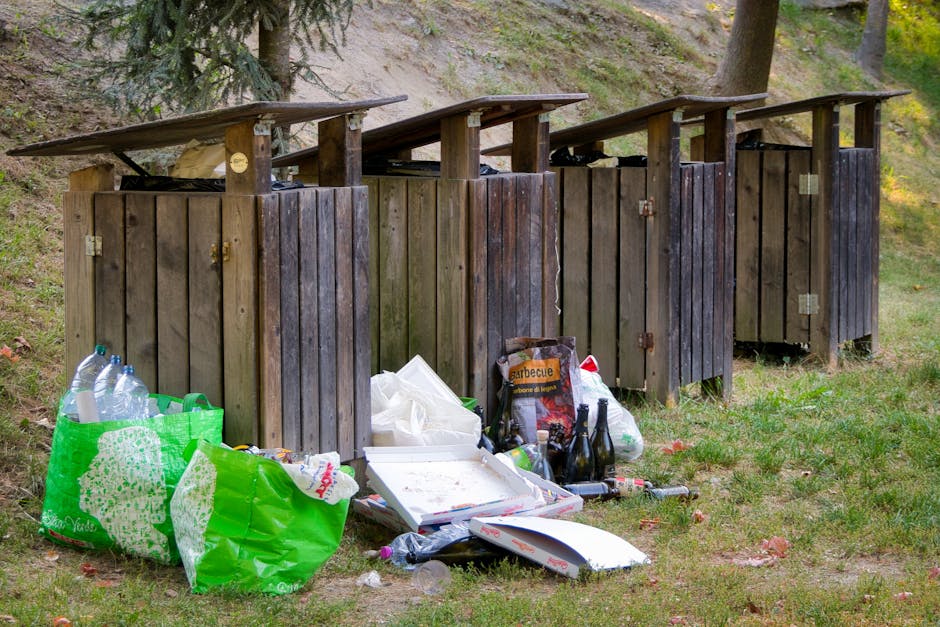
Common Mistakes to Avoid
This is where most booking problems begin. The mistakes are usually small, but they compound quickly.
- Giving a vague description: "A bit of rubbish" is not enough if there are bulky or mixed items.
- Ignoring access restrictions: Stairs, parking, and entry rules affect time and cost.
- Assuming everything is included: Some items or conditions may affect the final price.
- Booking the wrong service: House clearance, waste removal, furniture disposal, and builders' waste are related, but not identical.
- Leaving the booking too late: This often leads to rushed decisions and limited choice.
- Forgetting prohibited or special waste: Some items need separate handling, so ask before assuming.
A common one we see is people waiting until the last minute, then trying to book based on hope rather than detail. Hope is lovely. Not very helpful in logistics, though.
Another frequent issue is not checking whether the provider can handle the exact location. For example, collections near busy roads or around station-adjacent streets can need extra planning. If your job is near transport-heavy routes, local knowledge matters more than people think.
Tools, Resources and Recommendations
You do not need a complicated toolkit to book waste removal properly. A few practical resources are enough.
- Photos of the items: Good for accurate quotes and fewer surprises.
- Room-by-room notes: Helpful for house clearances and larger jobs.
- A quick access checklist: Stairs, parking, entry codes, and door widths.
- A basic volume estimate: Even a rough idea of how many bags, boxes, or pieces of furniture helps.
- Provider service pages: Use them to match the job type with the right service category.
For common local needs, the most useful pages are often the specific ones: rubbish collection for smaller everyday clearances, garden waste removal for outdoor jobs, and white goods and appliance disposal when old fridges, washers, or cookers are involved.
For a broader sense of how the business approaches related services, you might also find waste clearance in Finsbury Park and furniture removal useful. Different wording, yes, but sometimes the service category tells you more than the headline does.
Law, Compliance, Standards, or Best Practice
Waste removal in the UK sits within a practical framework of legal responsibility and best practice. You do not need to become a compliance expert to book a collection, but you should understand the basics.
First, responsible waste handling matters. A legitimate operator should be able to explain how waste is handled, transported, and disposed of. That is especially important for households and businesses that want to avoid fly-tipping or poor disposal practices. Second, some items need special care. Fridges, freezers, electricals, and certain construction materials can have different handling requirements. Third, if the job involves a business or rented property, record-keeping and duty-of-care expectations can be relevant.
Best practice is simple: ask who is collecting the waste, how it will be managed, and whether the service is suited to your material type. If a provider cannot answer basic questions clearly, that is usually a sign to slow down a bit and think twice.
It is also sensible to check safety and insurance expectations, especially for larger clearances or awkward access. A page dedicated to waste carrier licence and compliance is a useful reminder that the paperwork side should never be an afterthought. Likewise, insurance and safety is not just box-ticking; it helps protect both your property and the people doing the lifting.
Options, Methods, or Comparison Table
Not every clearance needs the same approach. In practice, your best option depends on volume, item type, access, and how quickly you need it gone.
| Method | Best for | Typical advantages | Possible drawbacks |
|---|---|---|---|
| Small rubbish collection | Bags, mixed household waste, one-off clutter | Quick, simple, usually straightforward to book | May not suit bulky or heavy items |
| Furniture disposal | Sofas, beds, wardrobes, tables | Useful for bulky items and awkward lifting | Access and size must be described accurately |
| House clearance | Full rooms, inherited properties, end-of-tenancy clear-outs | Covers larger and more complex jobs | Needs more planning and clearer expectations |
| Builders' waste disposal | DIY debris, renovation leftovers, rubble, timber | Better suited to post-project mess | Different waste types may change handling requirements |
| Commercial clearance | Offices, shops, stockrooms, business premises | Good for larger, structured clear-outs | May require tighter scheduling and access coordination |
If you are unsure which route fits, the safest approach is to match the service to the actual job rather than the cheapest headline. Cheap can become expensive very quickly when the provider is not the right fit.
Case Study or Real-World Example
A fairly typical example: a tenant in a flat near Finsbury Park had a mix of items to remove before checkout day. There was an old mattress, a broken desk, three bags of household waste, and a heavy chest of drawers that had to come down a narrow staircase. The first booking was based on a rough text message and a single photo. That was enough to cause trouble.
The problem? The quote assumed straightforward ground-floor access, but the property had two tight turns, no lift, and shared entrance restrictions. The collection still happened, but not before a frustrating delay and a revised price discussion. Nobody loved that bit.
The second attempt was much smoother. The tenant sent clearer photos, measured the larger furniture, explained the staircase, and confirmed the available parking space. The provider turned up with the right crew and completed the collection without the awkward "oh, by the way" moment. Small difference. Big result.
That is really the lesson here. Good booking is not about being perfect. It is about being clear enough that everyone knows what the job actually is.
Practical Checklist
Use this before you confirm a booking. It will save you trouble later. Probably a bit of stress too.
- Have I listed every item that needs removing?
- Have I described bulky, heavy, or awkward items clearly?
- Have I checked access, stairs, lifts, and parking?
- Have I confirmed the collection window and arrival expectations?
- Do I know what the quote includes and excludes?
- Have I asked about special items or separate handling needs?
- Have I prepared the items so they are easy to load?
- Have I chosen the right type of service for the job?
- Have I checked any safety, insurance, or compliance concerns?
- Am I comfortable that the provider understands the location?
Expert summary: The biggest booking problems usually come from poor description, poor access planning, and unclear pricing. If you fix those three things early, you remove most of the friction before it starts.
If you are comparing local options, you may also want to read about same-day rubbish removal delays and solutions in Finsbury Park. Same-day jobs can be brilliant, but they work best when expectations are tight and communication is decent.
Conclusion
The common problems when booking waste removal in Finsbury Park are usually not dramatic. They are practical: unclear quotes, access issues, the wrong service choice, and last-minute assumptions that do not survive first contact with a narrow stairwell or a busy street. The good news is that most of these problems are easy to prevent.
Be specific, ask direct questions, and think through the logistics before you confirm. That approach does not just reduce cost surprises; it makes the whole job feel calmer and more organised. And honestly, that is often what people want most. Not fanfare. Just a clean finish and one less thing to worry about.
If you are ready to move from uncertainty to a clear plan, take the next step and compare your options carefully. A little attention now saves a lot of hassle later.
Get a free quote today and see how much you can save.